The Art of Aso Oke: Strips of Woven Lineage
From Horizontal Looms to Global Runways: The Endurance of Yoruba Textiles
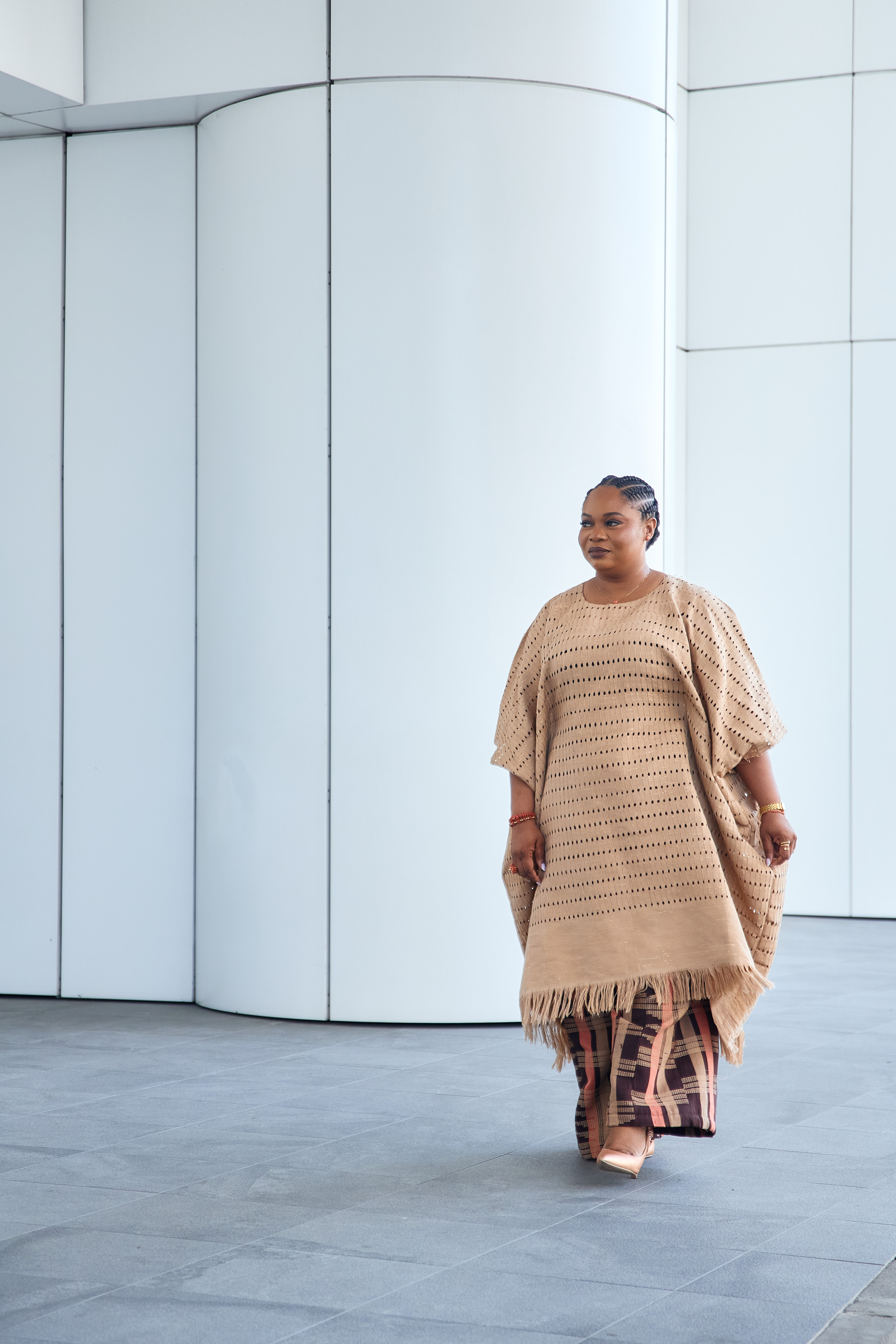
Narrow Strips, Monumental Presence
Aso-Òkè (literally 'highland cloth') is an engineering marvel of handloom weaving. Woven on narrow horizontal treadle looms in long, four-to-six-inch strips called 'ẹwú', it is subsequently joined by master tailors with intricate hidden stitches to create sweeping Agbada gowns, Iro wraps, and Gele headpieces.
The three classical foundations of Aso-Òkè form a sacred triumvirate in Yoruba culture: Sányán (woven from the natural beige silk spun by Anaphe caterpillars), Àlàárì (vibrant magenta-red silk), and Ẹtù (deep indigo cotton speckled like the plumage of a guinea fowl).
“Every click of the shuttle on the wooden loom is a heartbeat echoing down eight hundred years of unbroken textile genius.”
A Living Language of Pattern and Proportion
Each woven pattern carries a specific historical narrative. The 'Ojo Nlo' (Time Flies) pattern, the 'Eleya' (Openwork filigree), and the 'Jawu' (perforated lace-like weave) are created through complex thread manipulation that requires years of apprenticeship under master guilds in Iseyin and Oyo.
At ÌRÍNÍSÍ SYNERGY, our mission is to record these techniques in high-definition monochrome photography, spotlighting the muscular precision of artisan hands and the sculptural architecture of the finished cloth.

Preserve the Story. Deepen the Archive.
ÌRÍNÍSÍ SYNERGY continues to record cultural monographs with traditional councils and master guilds.